Menu
Same-Day Service Available!
A pet accident can seem like a small problem at first. You blot the spot, apply a cleaner, let the carpet dry, and move on. A few days later, however, your dog or cat returns to the exact same area. Another accident happens, and suddenly one little spot becomes a frustrating cycle.
The carpet may look clean on the surface while traces of the original accident remain deeper in the fibers, backing, or padding. Lingering odors can be difficult for people to notice, yet pets have a much stronger sense of smell. Even a faint remaining scent may make the area familiar to them.
For families in Old Hickory, TN, carpet cleaning with pet treatment can help address more than the visible stain. The goal is to locate problem areas, treat odor where it started, remove residue, and refresh the carpet without simply covering the smell with fragrance.
Safe-Dry® has more than 30 years of experience helping families care for carpets, rugs, upholstery, and other surfaces. Our approach focuses on safe, hypoallergenic, soap-free, family-friendly cleaning with a low-moisture process designed to help carpets dry quickly.
Pets do not necessarily return to an accident spot because the carpet looks dirty.
Scent is often an important part of the problem.
A person may clean the visible surface and believe the accident is gone. However, liquid can travel below the upper carpet fibers. Depending on the size of the accident, carpet construction, and how quickly cleanup begins, moisture may reach the backing or carpet pad.
Once urine reaches those deeper layers, surface cleaning becomes less effective.
The carpet may look normal again. The room may even smell fine most of the time. Changes in humidity, temperature, or moisture can sometimes make an old odor more noticeable again.
Pets may detect those remaining odor traces much sooner than people do.
Cats can also return to areas that smell familiar after an accident. The ASPCA advises against cleaning cat accidents with ammonia-based cleaners because urine contains ammonia and the smell may encourage a cat to use the same area again.
Cleaning the visible stain is important. Addressing what remains below the surface is often just as important.
Carpet has several layers.
The fibers you see and walk on are only the upper portion of the flooring system. Beneath them may be carpet backing, padding, and the subfloor.
A small accident caught immediately may stay close to the surface. A larger accident or one that sits unnoticed can penetrate deeper.
Liquid naturally spreads as it moves through absorbent material. The visible spot may therefore be smaller than the affected area underneath.
This is one reason repeated home cleaning may not completely solve a pet odor problem.
A homeowner may focus on a six-inch stain while the affected padding underneath covers a larger area.
Professional carpet cleaning with pet treatment allows the technician to evaluate the carpet more carefully and determine which areas need targeted attention rather than treating every spot exactly the same way.

One of the most frustrating parts of pet accidents is an odor that seems to disappear and then come back.
You may clean the area on Monday and think the problem is solved. By the weekend, the room smells unpleasant again.
Several factors can contribute.
Pet urine contains compounds that may remain in carpet materials after the visible moisture disappears. Household cleaners can remove some surface residue without fully reaching contamination below.
Moisture and humidity can also affect how noticeable odors become.
Covering the smell with air freshener, carpet powder, or perfume may create a fresher scent temporarily, but fragrance does not necessarily remove the source.
Safe-Dry® approaches pet odor and stain removal as a targeted treatment rather than simply a deodorizing step. Finding where the odor is coming from allows the cleaning process to focus on the actual problem area.
Standard carpet cleaning and pet treatment have related goals, but they are not always identical services.
General carpet cleaning focuses on accumulated soil, dust, traffic patterns, spots, and everyday residue throughout the carpet.
Pet treatment focuses more specifically on accidents, urine contamination, staining, and odor.
A room can need both.
For example, a family room may have normal traffic soil across the entire carpet and two areas where a puppy had accidents. Cleaning only the pet spots would leave the rest of the carpet untreated. Cleaning the entire room without addressing the urine properly may leave odor behind.
Carpet cleaning with pet treatment combines broader carpet care with targeted attention where pets have created specific problems.
Safe-Dry® technicians can evaluate the affected areas before cleaning and discuss the treatment options that fit the condition of the carpet.
Speed matters when a fresh pet accident happens.
The longer liquid remains on carpet, the more opportunity it has to travel into deeper layers.
Fast action does not require panic or aggressive scrubbing. A careful response is usually more useful.
Give yourself enough space to handle the mess without your pet stepping through it or investigating your cleaning supplies.
Keep children away from the spot as well until cleanup is complete and any products used are handled according to their label directions.
Use clean, absorbent towels to blot the area.
Press downward gently and allow the towel to absorb moisture. Replace the towel as it becomes wet.
Avoid scrubbing back and forth.
Aggressive rubbing can spread the accident into surrounding carpet fibers and may distort the texture of some carpets.
When dealing with a visible spot, start around the outside edge and gradually work inward.
This approach can help reduce unnecessary spreading.
Keep blotting until very little moisture transfers to a clean towel.
Do not assume every household cleaner is safe for carpet or appropriate for pet urine.
Read the product label carefully. Check your carpet manufacturer's care recommendations when available.
The ASPCA recommends using products specifically intended for cleaning pet accidents rather than ammonia-based cleaners for cat urine.
Avoid mixing cleaning chemicals.
After cleaning, remove as much excess moisture as possible and allow the carpet to dry thoroughly.
Good airflow can help.
Avoid repeatedly soaking the area with cleaner. Excess moisture can move deeper into carpet padding and make the situation harder to manage.
Check the area again after it has dried completely.
A spot that looks clean while wet may reveal discoloration once dry. Odor may also return later.
If the same smell keeps coming back, deeper pet treatment may be necessary.
Seeing a fresh stain often creates an urge to scrub immediately.
Scrubbing feels productive, but vigorous rubbing can cause several problems.
First, it can push liquid across a larger area.
Second, the friction can affect carpet fibers. Some carpet may become fuzzy, distorted, or visibly different after aggressive treatment.
Third, scrubbing does not guarantee the urine underneath is being removed.
Blotting is usually the better first response to a fresh liquid accident.
Older stains are different. Once residue has dried into the carpet, the right approach depends on the carpet fiber, stain type, products already applied, and depth of the contamination.
Professional carpet stain removal can help when repeated household attempts are no longer improving the area.
Pet stains can turn into chemistry experiments very quickly.
One product does not work, so another gets added. Vinegar follows. Then baking soda. Then carpet shampoo. Then a scented spray.
Multiple products can leave different residues behind, and some combinations may be unsafe.
A heavily treated carpet can also become harder to evaluate because the original pet accident is mixed with soap, powder, fragrance, and other cleaning materials.
Follow the instructions for one appropriate carpet-safe product instead of layering several cleaners.
If you have already tried multiple products and the odor remains, tell the carpet cleaner what was used. This information may help the technician understand the condition of the fibers and choose an appropriate treatment.
Using a large amount of carpet shampoo may seem like a good way to fight strong pet odor.
More soap is not always more effective.
Soap or detergent that remains in carpet can attract soil. It may also leave the fibers feeling sticky or stiff.
Pet treatment works best when the goal is to remove unwanted material rather than leave additional residue behind.
Safe-Dry® uses a soap-free approach for professional carpet cleaning. Its low-moisture process is designed to clean carpet without the heavy saturation associated with some traditional methods.
Less moisture also means families can typically return to normal routines more quickly.
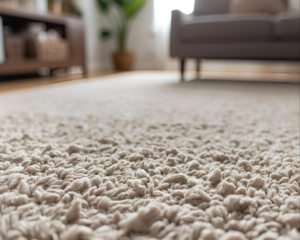
Carpet should not stay unnecessarily wet.
Excess moisture can take longer to dry, especially in rooms with poor airflow.
The U.S. Environmental Protection Agency recommends controlling indoor moisture and drying wet materials promptly. Moisture control is an important part of maintaining indoor spaces and limiting conditions that support unwanted biological growth.
For pet accidents, the same practical principle applies: remove moisture quickly rather than allowing the carpet to remain damp.
Safe-Dry®'s low-moisture carpet cleaning process is designed around faster drying. The Old Hickory carpet cleaning service notes that many carpets are ready to use in roughly an hour, although actual drying time can depend on airflow, humidity, carpet condition, and the treatment performed.
Fast drying is especially useful in homes with pets because keeping animals away from an entire room for most of the day can be challenging.
Every home is different.
One family may be dealing with a single recent puppy accident. Another may have several older urine spots that have been cleaned repeatedly. Cat urine can create another set of challenges, particularly when marking has happened in hidden locations.
A professional visit begins by understanding what has happened.
Tell the technician where accidents have occurred, even if the stain is no longer visible.
Point out areas where odor seems strongest.
Mention whether the accident involved a dog, cat, or another pet and whether the area has been treated previously.
The more information available, the easier it is to create a focused cleaning plan.
The technician evaluates the carpet condition, fiber type, visible staining, traffic patterns, and areas that may need special treatment.
Pet accidents are not always obvious by appearance alone.
Several small spots may require different attention than widespread contamination.
General carpet cleaning may be combined with pet urine removal, pet stain removal, or pet odor removal as needed.
One-size-fits-all cleaning is rarely ideal when urine has reached below the surface.
The technician can explain the options before work begins and provide a carpet cleaning estimate based on the condition of the carpet and requested services.
Affected areas receive targeted attention designed to address the source of the problem.
The goal is odor elimination rather than simply covering it with fragrance.
Targeted treatment may also help loosen discoloration and residue associated with the accident.
The surrounding carpet is cleaned to remove normal household soil, traffic buildup, dust, and other residue.
Combining professional carpet cleaning with pet treatment can create a more even result than treating isolated spots on otherwise dirty carpet.
Keep pets and family members away from treated areas until they are ready for normal use.
Follow any instructions the technician provides after service.
Once dry, the carpet should feel refreshed without a heavy soapy residue.
Dogs may have carpet accidents for many reasons.
Puppies are still learning. Older dogs may have changes in routine. Stress, excitement, limited outdoor access, or medical concerns can also contribute.
Cleaning alone cannot solve every behavioral or medical reason for recurring accidents.
However, removing the odor from previous accidents can remove one factor that may draw a dog back to the same location.
Dog urine removal should focus on the contaminated area rather than only making the room smell better.
If a fully house-trained dog suddenly begins having repeated accidents, consider discussing the behavior with your veterinarian. Cleaning addresses the carpet, while a veterinarian can help evaluate possible health-related causes.
Cat urine odor can be particularly persistent.
Cats may urinate outside the litter box for behavioral, environmental, or medical reasons. Cleaning the carpet is only one part of resolving recurring accidents.
The ASPCA recommends looking at litter box setup, cleanliness, household changes, and possible medical causes when a cat repeatedly eliminates outside the box.
For the carpet itself, cat urine removal needs to focus on odor remaining in the affected materials.
Avoid ammonia-based cleaners, since the ASPCA notes that the smell can encourage cats to return to the same area.
Professional carpet cleaning with pet treatment can address the flooring while you work on the reason the behavior is happening.
Carpet powders can make a room smell different temporarily.
A stronger fragrance is not necessarily the same as odor removal.
Some powders are designed to absorb odor before vacuuming, while others mainly add fragrance. Results vary by product and by the depth of the contamination.
If urine has reached carpet padding, material sprinkled on top of the carpet may never reach the source.
The ASPCA also advises following product directions carefully and keeping pets away from freshly applied carpet fresheners until the powder has been vacuumed up.
When an odor returns despite repeated deodorizing, source-focused pet treatment is usually a more practical next step.
Odors can be difficult to locate.
Furniture, rugs, drapes, pet bedding, baseboards, and upholstery may all hold pet-related odors.
Start by narrowing down the room.
Move washable pet beds and blankets out temporarily. Check area rugs separately. Smell around furniture where your pet regularly rests.
Pay close attention to corners and edges of rooms. Cats may mark vertical surfaces or locations that are not in the center of the carpet.
If odor remains concentrated near the flooring, carpet and padding may be involved.
A professional carpet cleaner can help assess areas that continue to smell despite ordinary household cleaning.
Some pet accidents are obvious.
Others dry without leaving a noticeable mark at first.
A stain may become more visible over time as soil sticks to residue or the carpet changes appearance.
Furniture can also hide accidents for weeks or months.
Moving a sofa during cleaning may reveal a spot nobody realized was there.
Homeowners preparing for professional carpet cleaning should mention any known history of pets using the room, even when they cannot identify the exact accident locations.
This information helps create a more complete cleaning plan.
Pet treatment addresses accidents, but everyday carpet maintenance is still important.
Dogs and cats bring hair, dander, outdoor soil, and fine debris into carpeted areas.
Regular vacuuming removes loose material before it works deeper into carpet fibers.
The EPA includes routine vacuuming of carpets and fabric-covered furniture among its recommendations for regular household cleaning.
Vacuum high-traffic pet areas more frequently when needed.
Pay attention to places where pets sleep, play, enter from outdoors, and wait near doors.
Good vacuuming habits will not remove urine from carpet padding, but they can help maintain the rest of the flooring between professional visits.
Pet accidents rarely happen at convenient times.
Keeping basic supplies together can help you respond quickly.
A simple kit might include clean white towels, disposable gloves, waste bags, and a carpet-safe product specifically intended for pet accidents.
Store cleaning products where pets and children cannot reach them.
Avoid creating homemade chemical mixtures in advance.
Having the right supplies ready means you can start blotting immediately instead of searching through cabinets while moisture continues soaking into the carpet.
Curious pets often want to investigate anything that smells different.
Keep them away while you are cleaning an accident and until the area has dried according to the product directions.
The same applies after professional carpet cleaning.
A quick-drying method makes this easier because the disruption does not need to last all day.
Use a baby gate, close a door, or keep your pet comfortable in another part of the house while the carpet dries.
Once the area is ready, normal household activity can resume.
Pets do not limit accidents to wall-to-wall carpet.
Area rugs can absorb urine quickly, especially when they have thick fibers or absorbent backing.
Cleaning requirements vary based on the rug material.
A washable synthetic rug may have different care needs from wool, hand-knotted, or oriental rugs.
Avoid assuming the same pet stain remover is suitable for every rug.
Safe-Dry® provides area rug and oriental rug cleaning in addition to carpet cleaning and pet odor treatment.
Professional evaluation can be especially valuable for delicate rugs where color bleeding, texture changes, or fiber damage are concerns.
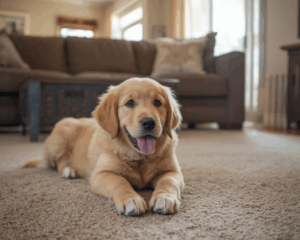
Dogs and cats may also have accidents on couches, chairs, cushions, and other upholstered surfaces.
Furniture contains several layers just like carpet. Liquid can pass through the surface fabric into cushioning below.
Spraying the top with deodorizer may not reach deeper contamination.
Safe-Dry® provides upholstery cleaning for sofas, sectionals, chairs, and other fabric surfaces.
Mention pet accidents when scheduling. The cleaner needs to know that odor or urine contamination is part of the problem rather than ordinary soil alone.
There is no universal schedule for every pet household.
The EPA does not publish a specific carpet-cleaning frequency for homes. Instead, it recommends following carpet manufacturer guidance and appropriate industry practices.
Your cleaning schedule depends on how the home is used.
A household with one indoor cat may have very different needs from a home with three large dogs coming in from the yard several times a day.
Consider pet shedding, outdoor activity, family traffic, allergies, accidents, carpet color, and the number of carpeted rooms.
Visible traffic lanes, persistent odors, recurring spots, or carpet that no longer responds well to routine care may indicate it is time for professional carpet cleaning.
Pet accidents should be addressed when they happen rather than waiting for the next scheduled whole-home cleaning.
Recurring odor is a strong sign that surface cleaning may not have reached everything.
Stop repeatedly adding scented products.
Think about how long the accident sat before it was discovered and how much liquid may have been involved.
Check nearby rugs, upholstery, pet bedding, and baseboards as well.
If the source still appears to be the carpet, professional pet urine carpet cleaning can help evaluate the affected area more thoroughly.
Pet odor removal works best when the source can be identified and treated rather than covered up.
Pet urine may leave discoloration after the odor has been addressed.
Other pet-related stains can come from muddy paws, food, digestive accidents, blood, or tracked-in debris.
Different stains respond differently to treatment.
Avoid assuming one stain removal service or home product will work on every type of spot.
Tell the technician what caused the stain whenever possible.
Knowing whether the spot came from urine, food, mud, or another substance can help determine the cleaning approach.
Older or previously treated stains can be more challenging than fresh ones, which makes early action worthwhile.
Homeowners often want to know the carpet cleaning cost before scheduling.
Pricing can depend on room size, number of areas, carpet condition, soil level, staining, and whether additional pet treatment is required.
A basic advertised carpet cleaning deal may not include extensive pet urine removal.
For this reason, it is helpful to describe the problem clearly when requesting a carpet cleaning estimate.
Tell the company how many rooms need cleaning and whether there are known pet stains or odor concerns.
Safe-Dry®'s Old Hickory carpet cleaning page provides local service information and current offers. Homeowners can also request a quote before beginning service.
Choosing affordable carpet cleaning should involve more than finding the cheapest advertised number. A low price has little value if the cleaning does not address the actual pet odor problem.
Clear expectations and appropriate treatment matter more than simply choosing cheap carpet cleaning based on price alone.
Pet-friendly homes throughout Old Hickory deal with the same everyday challenges: shedding, muddy paws, food spills, traffic soil, and the occasional accident.
Safe-Dry® provides professional carpet cleaning in Old Hickory, TN 37138 along with pet stain and odor treatment for homes that need more than a basic refresh.
The local Safe-Dry® service area includes Old Hickory and surrounding communities in the Nashville region.
Homeowners can use Safe-Dry® Carpet Cleaning of Old Hickory to learn more about local carpet cleaning services, request an estimate, and schedule service.
A technician can inspect the carpet, discuss areas where accidents have happened, and explain available treatment options before cleaning begins.
Pets spend more time near the floor than people do.
Children do too.
Crawling babies, toddlers, dogs, and cats all have frequent contact with carpet fibers.
For many families, the products used during carpet cleaning matter just as much as the appearance of the finished carpet.
Safe-Dry® focuses on hypoallergenic, soap-free, low-moisture carpet cleaning designed for family homes.
The goal is to clean effectively without leaving the carpet saturated for long periods or relying on heavy soap residue.
Pet owners should also follow product labels carefully when cleaning accidents themselves. Keep pets away from wet cleaning products and store household chemicals securely.
A single fresh accident that is cleaned immediately may be manageable at home.
Professional help becomes more useful when the problem keeps returning.
Persistent odor is one of the clearest signs.
Another warning sign is a pet repeatedly using the same carpet location despite surface cleaning.
Multiple old stains, widespread accidents, strong cat urine odor, or contamination that may have reached the padding are additional reasons to consider professional carpet cleaning with pet treatment.
You may also want help if repeated DIY cleaning has left the carpet stiff, sticky, discolored, or heavily fragranced.
A professional evaluation can help determine what the carpet needs without continuing the cycle of adding more household products.
Several factors may contribute.
A lingering scent from an earlier accident may make the location familiar. Training, stress, routine changes, or medical issues may also play a role.
Cleaning the carpet thoroughly can address the flooring side of the problem. Repeated accidents in a previously house-trained pet should also be discussed with a veterinarian when appropriate.
Urine can travel deeper than the visible carpet fibers.
Surface cleaning may improve the stain while leaving residue in the backing or pad. Changes in humidity or moisture may make lingering odors noticeable again.
Targeted pet odor removal focuses on locating and treating the source rather than covering the smell.
Regular carpet cleaning helps remove everyday soil and buildup, but significant urine contamination may require additional pet treatment.
Tell your carpet cleaner about known accidents before service begins.
Combining carpet cleaning with pet treatment allows specific problem areas to receive the extra attention they need.
The ASPCA advises against ammonia-based cleaners for cat accidents because urine contains ammonia and the smell can encourage cats to return to the same location.
Use a product specifically intended for pet accidents and suitable for your carpet.
A deodorizer may temporarily improve how a room smells, but fragrance does not necessarily remove urine below the carpet surface.
If odor keeps returning, identify and treat the underlying source.
As soon as practical.
Blot fresh moisture with clean absorbent towels and use an appropriate carpet-safe pet accident product according to its directions.
Fast action can reduce the amount of liquid that moves deeper into the carpet.
Blot rather than aggressively scrub.
Scrubbing can spread liquid and may alter the appearance of carpet fibers.
Press absorbent towels into the area and replace them as they become wet.
Not necessarily.
The outcome depends on the amount of urine, how long it remained, carpet construction, previous treatments, and whether contamination reached deeper materials.
Early cleanup and appropriate treatment generally give you more options.
Yes. Safe-Dry® provides carpet cleaning services for family homes and offers targeted pet odor and stain removal.
Let the technician know about your pets and accident areas before cleaning.
Safe-Dry® uses a low-moisture process, and many carpets can dry in about an hour.
Actual drying time can vary depending on carpet condition, airflow, humidity, the amount of treatment required, and other factors.
Safe-Dry® offers pet odor and stain removal for common pet accident problems, including cat and dog urine.
The technician can evaluate the affected area and recommend an appropriate treatment plan.
Professional carpet cleaning can help refresh fibers and remove embedded household soil, but routine vacuuming remains important for controlling loose pet hair between services.
Vacuum pet areas frequently, especially during heavy shedding seasons.
Safe-Dry® also provides rug cleaning, oriental rug cleaning, upholstery cleaning, hardwood floor cleaning, tile and grout cleaning, and other deep cleaning services.
Homeowners refreshing several pet-used areas can discuss multiple services when scheduling.
Safe-Dry® technicians inspect the carpet and discuss service needs before cleaning begins.
Pet treatment may affect the carpet cleaning cost because the condition and depth of contamination can vary significantly from one home to another.
Contact the local Old Hickory team to request current pricing or a carpet cleaning estimate.
Same-day carpet cleaning may be available depending on the local schedule.
Check with Safe-Dry® Carpet Cleaning of Old Hickory for current appointment availability.
Clean accidents promptly and remove odor as completely as possible.
Keep litter boxes clean and accessible for cats. Maintain consistent outdoor routines for dogs. Limit access to previously affected areas while retraining if needed.
Repeated or sudden accidents may also warrant a conversation with your veterinarian.
Living with pets comes with plenty of good moments and an occasional mess.
A pet accident does not have to turn into a permanent carpet odor problem.
Quick cleanup makes a difference. Blot moisture instead of scrubbing. Use products intended for pet accidents. Keep the area dry. Avoid covering persistent smells with fragrance alone.
Most importantly, pay attention when the same problem keeps returning.
A spot that looks clean on top may still contain odor below the surface. Professional carpet cleaning with pet treatment can help target the affected areas while refreshing the surrounding carpet at the same time.
For families in Old Hickory, TN 37138, Safe-Dry® provides a low-moisture, soap-free, family-friendly approach designed for homes where children and pets are part of everyday life.
Instead of repeatedly spraying the same spot and hoping the odor stays away, let the carpet receive the deeper attention it needs.
Connect with Safe-Dry® Carpet Cleaning of Old Hickory to request a quote, discuss your pet stain and odor concerns, or schedule carpet cleaning with pet treatment for your home.
Cleaner carpet can mean a fresher room, easier maintenance, and one less reason for your pet to keep returning to the same troublesome spot.